
Key Highlights
- Laser technology offers a high degree of precision, ensuring only the ink is targeted while the surrounding skin remains safe.
- It is a non-invasive alternative to older, more aggressive methods like dermabrasion or surgical excision.
- Modern lasers in medical aesthetics can break down a wide range of ink colours, including stubborn blues and greens.
- The process works in harmony with the body’s natural immune system to gradually clear the ink particles.
Introduction
Tattoos are often intended to be permanent expressions of art, but as life circumstances change, so do our feelings toward them. Whether it is a change in personal style, a career requirement, or simply a poorly executed design, many people eventually seek ways to remove their ink. Back then, removal options were often painful and left behind significant scarring. However, the evolution of medical aesthetics, which includes advanced laser hair removal services, has introduced methods that prioritise both efficacy and skin health.
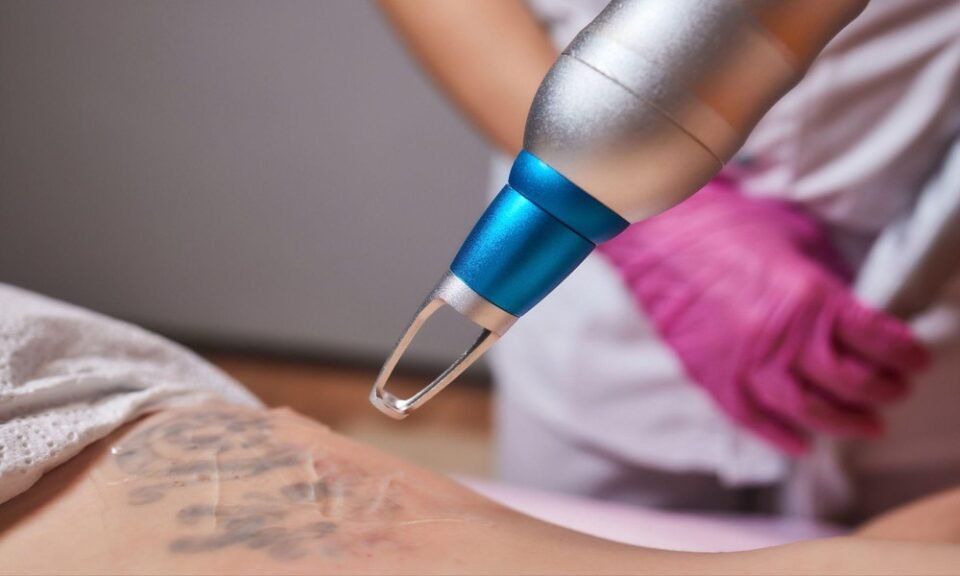
The most popular and widely recommended method today is laser for tattoo removal. This technology has revolutionised the way we approach unwanted ink, providing a path toward clear skin that was once thought impossible. Practitioners can target ink deep within the dermis without causing unnecessary trauma to the skin surface by using specific wavelengths of light.
Here are four reasons why this method has become the gold standard for those looking to erase the past.
1. Unmatched Precision and Skin Safety
One of the most compelling reasons to opt for laser for tattoo removal is the level of precision it offers. Traditional methods, such as dermabrasion or chemical peels, often involve removing the top layers of the skin in an attempt to reach the ink. This frequently results in uneven textures and long-term scarring. In contrast, modern laser systems are designed to be “selective.”
This selectivity means the laser light passes harmlessly through the top layers of the skin and is absorbed only by the pigment of the tattoo. The energy is delivered in incredibly short bursts, which prevents heat from spreading to the surrounding healthy tissue. This approach significantly reduces the risk of burns or permanent skin damage. That said, for many patients, knowing that their skin’s integrity is being preserved is the most important factor in choosing a professional aesthetic procedure.
2. Efficacy Across a Spectrum of Ink Colours
Certain ink colours were notoriously difficult to remove in the early days of laser technology. Black and dark blue pigments were relatively easy to target, but vibrant hues like lime green, sky blue, and bright yellow often remained stubborn. Fortunately, improvements in medical aesthetics have led to the development of multi-wavelength laser systems that can address nearly every colour in the rainbow.
Each wavelength of light targets a specific pigment group. A practitioner can break down complex, multi-coloured tattoos that would have been permanent just a decade ago by switching between these wavelengths. While lighter colours may still require more sessions than darker ones, the ability to achieve significant fading or total clearance across a variety of shades makes laser the most versatile option available on the market.
3. A Non-Invasive and Controlled Process
Many people feel hesitant about tattoo removal because they fear a long, painful recovery. Laser for tattoo removal is entirely non-invasive, meaning there are no needles or scalpels involved in the actual removal process. While the sensation is often described as similar to a rubber band snapping against the skin, it is generally well-tolerated, and topical numbing creams can further enhance comfort.
Since the process is controlled, the skin usually heals quickly between sessions. There is no need for extensive bandaging or significant time off work. This convenience allows individuals to integrate their removal journey into their busy lifestyles. The gradual nature of the treatment also allows the skin to recover and regenerate, ensuring that the final result is a clean area of skin that looks as natural as possible.
4. Harnessing the Body’s Natural Clearance System
Unlike surgical excision, which physically removes the skin containing the tattoo, laser treatment works with the body’s internal processes. The high-energy laser light shatters the tattoo ink into microscopic particles. Once these particles are small enough, they are no longer trapped within the skin cells. The body’s white blood cells, which are part of the immune system, recognise the ink as waste at this point.
Over the weeks following a session, the lymphatic system naturally carries these tiny ink fragments away, where they are eventually eliminated from the body. This biological approach ensures that the fading happens gradually and safely. It also explains why patience is necessary; as the body does the heavy lifting, the tattoo continues to fade long after the actual laser session has concluded.
Conclusion
Choosing to remove a tattoo is a personal decision, and selecting the right method is critical for a successful outcome. Laser for tattoo removal stands out as the superior choice due to its precision, versatility, and non-invasive nature. Additionally, with the right professional guidance and a bit of patience, clear skin is an achievable goal for almost anyone, regardless of the size or colour of their tattoo.
Contact Halley Medical Aesthetics today to discover how our laser technology can help you achieve your skin goals.
