
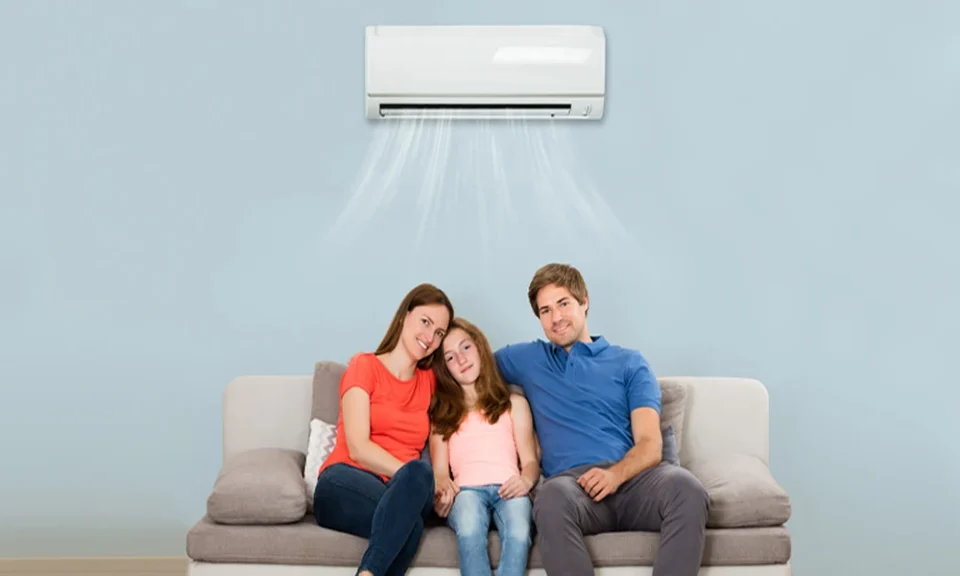
Creating a comfortable and energy-efficient home starts with selecting the right indoor comfort system. Heating and cooling equipment influences monthly utility costs, indoor air quality, humidity control, and year-round comfort. Choosing reliable HVAC solutions helps homeowners reduce operating expenses while improving system performance and extending equipment lifespan. A thoughtful investment today can deliver consistent comfort, lower maintenance costs, and greater peace of mind for many years.
Homeowners researching HVAC Statesboro, GA often discover that selecting the right contractor is just as important as choosing quality equipment. Professional system design, accurate sizing, and expert installation all contribute to long-term energy savings. A properly planned HVAC system distributes conditioned air efficiently, minimizes energy waste, and delivers dependable performance through changing weather conditions while supporting healthier indoor living environments.
Select Equipment That Matches Your Home
Every home has unique heating and cooling requirements based on its size, layout, insulation, window placement, and local climate. Installing equipment without evaluating these factors can reduce efficiency and increase long-term operating costs.
Why Correct Sizing Matters
Oversized HVAC systems frequently cycle on and off, increasing component wear while failing to remove enough humidity. Undersized systems struggle to maintain comfortable temperatures during periods of extreme weather and consume more energy because they operate almost continuously.
Professional load calculations ensure homeowners receive equipment that matches the home’s actual heating and cooling demands.
Prioritize High-Efficiency HVAC Systems
Energy-efficient equipment offers significant advantages beyond lower utility bills. Modern heating and cooling systems provide better comfort while reducing environmental impact.
Features That Improve Efficiency
High Seasonal Energy Efficiency Ratio ratings, variable-speed compressors, multi-stage operation, and smart thermostat compatibility enable HVAC systems to adjust output in response to changing indoor conditions. These technologies improve comfort while reducing unnecessary energy consumption throughout the year.
Many families investing in HVAC Statesboro, GA, also upgrade to programmable thermostats and zoning systems that provide greater temperature control and additional energy savings across different areas of the home.
Ductwork Plays a Major Role in Performance
Even the most advanced HVAC equipment cannot perform efficiently if conditioned air fails to reach living spaces properly.
Why Airflow Matters
Leaking ductwork, poor insulation, blocked vents, or improperly sized ducts reduce airflow and force HVAC systems to work harder. Balanced airflow improves comfort, lowers energy consumption, and helps maintain consistent temperatures throughout the entire house.
Professional duct inspections often reveal hidden efficiency opportunities that significantly improve overall HVAC performance.
Indoor Air Quality Should Never Be Overlooked
Modern indoor comfort systems do more than regulate temperature. They also help improve the quality of the air families breathe every day.
Healthy Air Creates Healthier Homes
Advanced filtration systems capture dust, pollen, pet dander, and airborne particles. Whole-home air purifiers, humidity control equipment, and improved ventilation further reduce indoor pollutants while creating healthier living environments for occupants with allergies or respiratory concerns.
Cleaner indoor air also supports HVAC efficiency by reducing dust buildup inside system components.
Smart Technology Maximizes Energy Savings
Technology continues to change how homeowners manage indoor comfort and energy usage.
Benefits of Smart HVAC Controls
Smart thermostats automatically adjust temperatures based on occupancy schedules, outdoor weather, and homeowner preferences. Remote access through mobile devices allows users to control settings from anywhere while monitoring energy consumption in real time.
These systems help eliminate unnecessary heating and cooling without sacrificing indoor comfort.
Features to Look for in a Reliable HVAC System:
- High-efficiency performance ratings
- Variable-speed blower motors
- Smart thermostat compatibility
- Advanced air filtration systems
- Zoned temperature control
- Quiet operation
- Strong manufacturer warranty
- Professional installation support
Selecting these features helps maximize long-term value and comfort.
Routine Maintenance Protects Your Investment
Quality equipment performs best when properly maintained throughout its lifespan.
Why Preventive Service Matters
Routine inspections identify worn components before they cause unexpected failures. Replacing air filters, cleaning condenser coils, checking refrigerant levels, and inspecting electrical connections help preserve efficiency while reducing repair costs.
Annual maintenance also improves indoor air quality and extends the useful life of heating and cooling equipment.
Home Insulation Supports HVAC Efficiency
Heating and cooling systems work more efficiently when homes retain conditioned air effectively.
Reduce Energy Loss
Proper attic insulation, sealed windows, weatherstripping, and insulated ductwork reduce heat transfer and improve overall energy performance. Homes with strong thermal protection place less strain on HVAC equipment while maintaining more consistent indoor temperatures throughout changing seasons.
Combining insulation upgrades with HVAC improvements often delivers greater energy savings than equipment replacement alone.
Professional Installation Makes the Difference
The quality of installation directly affects system efficiency, reliability, and long-term operating costs.
Why Experience Matters
Professional technicians evaluate airflow, refrigerant charge, ductwork performance, thermostat placement, and electrical connections before completing installation. Thorough testing ensures every system component operates according to manufacturer specifications.
Experienced installation teams also help homeowners understand system operation, maintenance schedules, and energy-saving practices that support long-term performance.
Planning for Future Energy Needs
Household energy demands often change over time as families grow, home offices expand, and new appliances are added.
Think Beyond Today’s Needs
Planning for future heating and cooling requirements helps homeowners avoid premature equipment replacement. Flexible HVAC solutions with expandable zoning, smart controls, and energy-efficient technology provide better adaptability while supporting long-term comfort and lower operating expenses.
Investing in future-ready equipment creates lasting value while improving household efficiency.
Final Analysis
Choosing reliable indoor comfort systems is one of the smartest investments homeowners can make for long-term energy savings and year-round comfort. Proper equipment sizing, professional installation, efficient ductwork, smart technology, indoor air quality improvements, and regular maintenance all contribute to dependable HVAC performance. By working with experienced professionals and selecting energy-efficient solutions that match household needs, homeowners can reduce utility costs, extend equipment lifespan, improve indoor comfort, and create a healthier, more efficient home for years to come.
