
Key Takeaways
- Choosing the right unit size helps avoid unnecessary monthly rental costs.
- Long-term rental promotions can lower the overall self-storage price in Singapore.
- Proper organisation reduces the need to upgrade to larger units.
- Comparing facility features prevents renters from paying for services they do not require.
Introduction
The demand for self-storage has increased among homeowners, businesses, students, and tenants dealing with limited space. While storage units provide flexibility and convenience, monthly rental costs can become expensive when customers choose unsuitable plans or larger units than necessary. Many renters focus only on availability and location without considering how pricing structures work. Due to this, they may end up paying more over time. Learning a few practical cost-saving strategies can help customers manage self-storage prices in Singapore more effectively while still maintaining secure and accessible storage solutions.
1. Choose a Unit Size Based on Actual Storage Needs
One of the most common reasons people overpay for self-storage is renting units that are larger than required. Customers often estimate storage needs inaccurately, especially during house moves or renovations, and end up paying for unused space every month.
Planning ahead helps reduce this problem. Creating a proper inventory list before selecting a unit allows renters to estimate space more accurately. Many storage providers also offer size guides that compare units to common household layouts or furniture quantities. Customers, in many cases, can fit more items into smaller units by stacking boxes vertically, dismantling furniture, and using shelves efficiently.
Businesses storing inventory or archived documents can also reduce expenses by rotating stock regularly instead of allowing unused materials to accumulate. Choosing the correct unit from the beginning is one of the most effective ways to lower self-storage prices over the long term.
2. Use Long-Term Rental Promotions Carefully
Many storage operators provide discounted rates for customers willing to commit to longer rental periods. These promotions may include reduced monthly pricing, waived administrative fees, or temporary upgrades. Comparing these offers carefully can help renters reduce overall storage costs significantly.
Short-term agreements usually come with standard pricing because operators prioritise flexibility. Long-term contracts provide more predictable occupancy, which is why providers often offer better rates for six-month or yearly commitments.
However, customers should review the full pricing structure carefully before signing agreements. Some promotions apply only during the first few months before standard rates resume later. Others may include penalties for early termination. Comparing the total projected cost instead of focusing only on introductory discounts gives a more accurate understanding of affordability.
3. Organise Stored Items Efficiently
Poor organisation inside storage units often leads renters to believe they need additional space. Once items become difficult to access, customers may upgrade to larger units unnecessarily. Proper organisation helps maximise available storage space while controlling monthly costs.
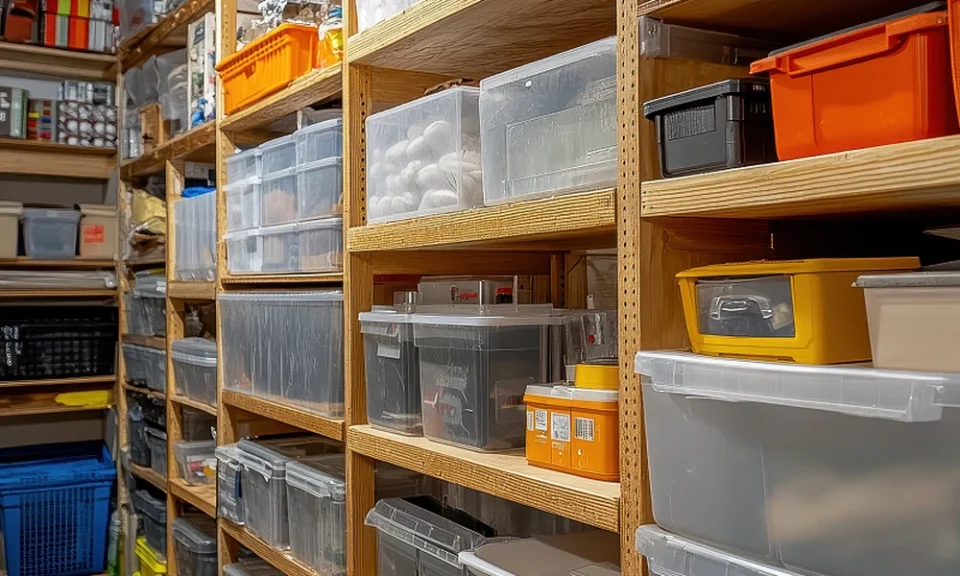
Labelling boxes clearly, grouping similar items together, and placing frequently used belongings near the front improve accessibility without increasing storage size. Vacuum-sealed bags for clothing and uniform-sized boxes also help maximise vertical space.
Meanwhile, for businesses using self-storage, regular inventory reviews prevent outdated or unused products from occupying valuable storage capacity. Many customers continue paying for storage space filled with items they no longer need simply because they rarely inspect the contents.
An efficient organisation reduces clutter and minimises the likelihood of paying for unnecessary upgrades.
4. Compare Facility Features Before Booking
Not every customer requires premium storage features. Some facilities charge higher rates for climate-controlled units, 24-hour access, advanced security systems, or central locations. While these features are useful in certain situations, they may not be necessary for all storage needs.
For example, customers storing standard household furniture or seasonal decorations may not require climate-controlled units. Renters who visit storage facilities infrequently may also save money by choosing locations outside major commercial districts or selecting upper-floor units with lower rental rates.
Comparing facility features carefully allows customers to balance convenience and affordability more effectively. Avoiding unnecessary add-ons is another practical way to manage self-storage prices without compromising essential storage requirements.
Conclusion
Reducing self-storage expenses depends largely on planning and understanding how storage pricing works. Selecting the correct unit size, using long-term promotions strategically, organising items properly, and comparing facility features carefully can all contribute to lower monthly costs. Customers who approach storage rentals with a clear cost-management strategy are more likely to maintain affordability while still benefiting from secure and practical storage solutions.
Visit SpaceHub to work with a provider that offers flexible unit sizes, transparent pricing structures, and practical rental terms that match your actual storage needs.
