
Key Highlights
- AI PCs feature dedicated Neural Processing Units (NPUs) designed for local machine learning tasks.
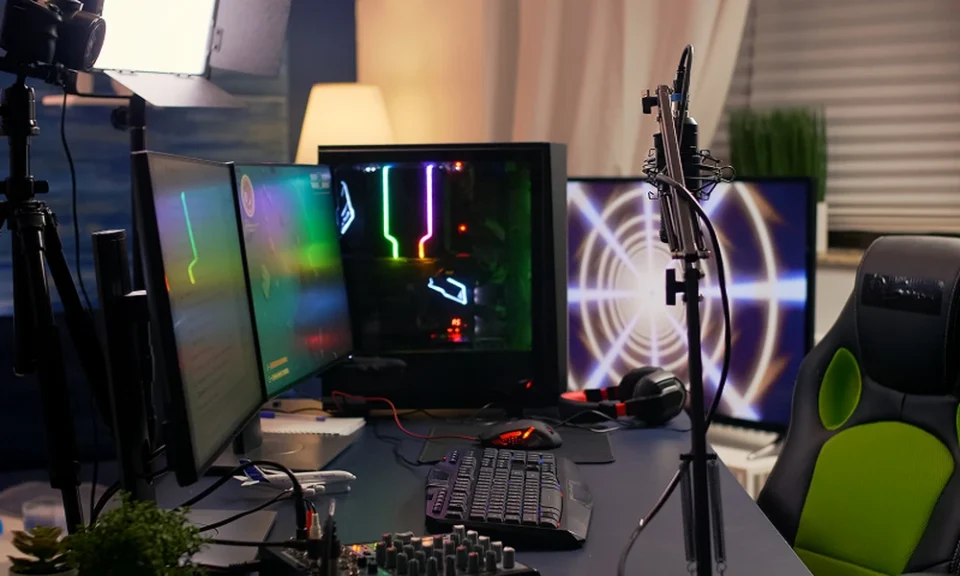
- Gaming PCs prioritise Graphics Processing Units (GPUs) for high frame rates and visual fidelity.
- Productivity and creative workflows benefit significantly from the efficiency of AI-driven hardware.
- High-refresh-rate monitors and advanced cooling systems remain the hallmark of a gaming-focused build.
- Hybrid users must balance the need for raw power with the burgeoning demand for integrated AI tools.
Introduction
The landscape of personal computing is undergoing a significant transformation with the rise of specialised hardware. For years, the gold standard for performance was the gaming machine, but a new contender has emerged: the AI PC. As software developers integrate more artificial intelligence features into everyday applications, the hardware required to run them efficiently is changing. This shift leaves many buyers in Singapore wondering whether they should stick with the proven power of a gaming PC or pivot to a system designed for the future of intelligence. Choosing the right setup requires a deep dive into how you actually spend your time behind the screen, whether it is conquering virtual worlds or automating complex professional workflows.
1. The Power of the NPU versus the GPU
The fundamental difference between these two categories lies in their internal architecture. An AI PC is equipped with a Neural Processing Unit (NPU), a specialised processor designed specifically to handle the mathematical operations used in machine learning. This allows for tasks like background blur in video calls, real-time language translation, and automated photo editing to happen locally on the device without draining the battery or slowing down the main processor. In contrast, a gaming PC relies heavily on a high-end Graphics Processing Unit (GPU). While a GPU can technically handle AI tasks, its primary purpose is to render complex 3D environments and maintain high frame rates. If your goal is visual immersion in the latest blockbuster titles, the GPU remains king.
2. Productivity and Creative Workflows
For professionals and content creators, the AI PC offers a level of efficiency that traditional setups may lack. Imagine being able to generate a transcript of a long meeting, summarise a document, or remove noise from an audio recording in seconds, all powered by on-device hardware. This local processing is not only faster than relying on cloud-based services but also offers better privacy and security. Creative software suites are increasingly adopting AI-driven tools that can upscale images or suggest colour grading based on the scene. If your workday involves multi-tasking across various smart applications and you value a system that anticipates your needs, the intelligence-focused PC is likely the more productive choice for your home office.
3. High-Performance Gaming and Visual Fidelity
Despite the advancements in AI, the gaming PC continues to be the ultimate choice for enthusiasts who demand raw performance. Gaming machines are built to handle sustained high loads, featuring advanced cooling solutions to prevent thermal throttling during intense sessions. They are often paired with high-refresh-rate monitors and mechanical peripherals that cater to the needs of competitive players. While AI is used in gaming-for example, in technologies like DLSS that upscale frames-the core requirement is still raw graphical horsepower and fast memory. If you spend your evenings in competitive shooters or sprawling open-world RPGs, the hardware optimisations found in a gaming-focused rig will provide a smoother and more responsive experience.
4. Future-Proofing and Battery Efficiency
When selecting a new computer, longevity and battery life are critical considerations, especially for laptop users. AI PCs are designed with power efficiency in mind, as the NPU can handle light tasks while the more power-hungry components remain idle. This often results in a longer-lasting battery, making them ideal for students or mobile professionals who are frequently on the move. Conversely, a gaming PC is a power-hungry beast. While it offers incredible performance today, the lack of a dedicated NPU might mean it struggles with the next generation of smart software that expects dedicated hardware. However, for those who primarily use a desktop setup, the ability to upgrade components in a gaming rig provides a different kind of long-term value.
Conclusion
Choosing between these two paths depends entirely on your primary objectives. If your life revolves around the latest gaming releases and you require the highest possible frame rates, a gaming PC is the undisputed winner. However, if you are looking for a smart, efficient companion for professional growth, creative experimentation, and everyday productivity, the AI PC represents the next frontier of computing. By identifying which features will actually impact your daily use, you can make a confident investment in a machine that enhances your digital life. Both options offer incredible power, but they serve different masters in the modern tech ecosystem.
To ensure your lifestyle is as seamless as your tech setup, explore premium services that offer peace of mind. Contact Harvey Norman Singapore to find out how we can provide tailored solutions for your needs.
