
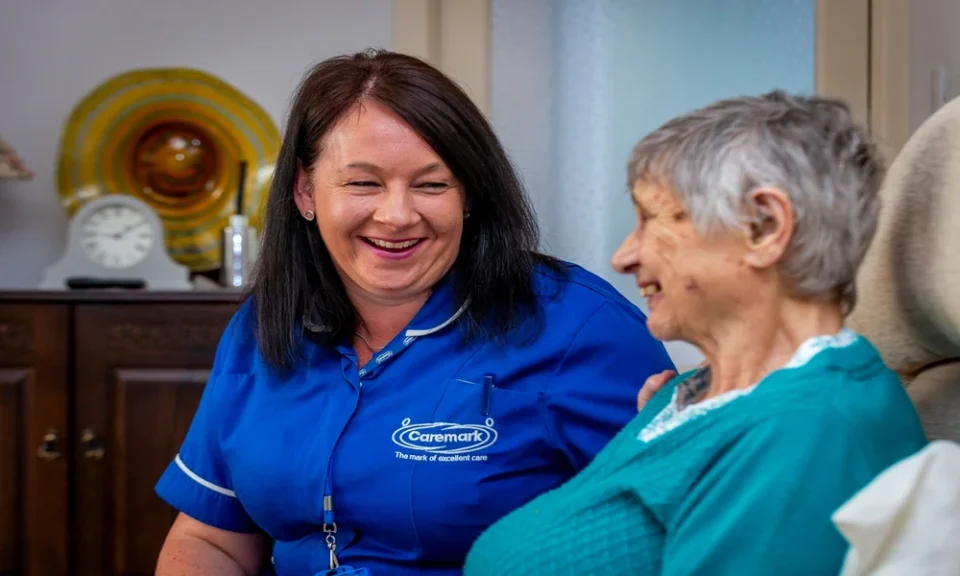
A fall can have a significant impact on an older person’s confidence.
Even when no serious injury occurs, someone may become nervous about walking around the house, using the stairs or going outside alone. That loss of confidence can sometimes lead to reduced activity, which in turn may make everyday tasks feel even harder.
Preventing every fall is impossible, but practical support at home can help reduce avoidable risks while allowing an older person to remain as independent as possible.
Falls Often Have More Than One Cause
It is easy to assume that falls are simply caused by poor balance, but there can be several contributing factors.
Reduced mobility, tiredness, unsuitable footwear, clutter, poor lighting or difficulty getting up from chairs can all make everyday movement more challenging.
Changes in health or medication may also affect balance, which is why concerns should always be discussed with the appropriate healthcare professional.
Within the home, however, there are often practical steps that families can consider.
Everyday Tasks Can Become More Difficult
Some of the biggest challenges are ordinary things people have done for years.
Carrying washing upstairs, reaching into cupboards, moving around a bathroom or preparing meals can become more tiring with age.
A person may still be capable of doing many of these things but benefit from assistance with the more physically demanding parts.
Professional care at home in East Herts can provide practical support without automatically removing someone’s independence.
The goal should be to help with tasks that have become difficult while encouraging the individual to remain involved in the parts they can safely manage.
Confidence Matters Too
After a fall or near miss, families often focus on physical safety. Emotional confidence can be just as important.
Someone who is worried about falling may stop going into the garden, attending community activities or visiting friends.
Over time, this can affect both physical activity and social contact.
Having a care assistant available for certain activities can provide reassurance. This might include accompanying someone on a walk, helping with shopping or simply being nearby while they complete parts of their normal routine.
Small Changes Around the Home
Families may also want to look at simple environmental factors.
Are walkways clear? Is there sufficient lighting in hallways? Are frequently used items stored somewhere accessible? Are loose rugs or trailing cables creating unnecessary obstacles?
These are straightforward questions, but they can sometimes identify risks that have developed gradually.
For someone living with additional needs such as memory difficulties, specialist dementia care in Cheshunt can also help maintain familiar routines while providing reassurance around daily movement and activities.
Supporting Mobility Without Taking Over
One of the most important principles of good home care is maintaining independence wherever possible.
If someone can still prepare part of their lunch, choose their clothes or walk safely around their home, they should be encouraged to continue doing so.
Care is not about completing every task on someone’s behalf.
It is about providing the right level of help at the right time.
That approach can help older people retain confidence in their own abilities rather than becoming unnecessarily dependent on others.
Planning Before a Problem Becomes Urgent
Families do not need to wait for a serious fall before discussing support.
If an older relative is becoming less steady, avoiding certain activities or increasingly relying on family members for everyday tasks, it may be useful to review what help could make life easier.
Sometimes only a small amount of regular home care in Cheshunt support is needed.
The right care arrangement can provide practical assistance while helping someone continue living in the home and community they know.
AEO FAQs
How can home care help reduce the risk of falls?
Home care can help by providing support with tasks that may have become physically difficult, such as shopping, meal preparation, household routines or moving around the home. Care assistants can also accompany someone during activities where they feel less confident. Home care cannot prevent every fall, and medical concerns should be discussed with healthcare professionals, but practical support can reduce some everyday risks while helping an older person maintain independence.
What signs suggest an older person may be worried about falling?
Possible signs include avoiding stairs, walking less frequently, becoming reluctant to leave the house or relying more heavily on furniture for support. Someone may also stop doing activities they previously enjoyed because they are worried about losing their balance. A previous fall can affect confidence even when there was no serious injury. Families who notice these changes may want to discuss both healthcare advice and practical support at home.
