
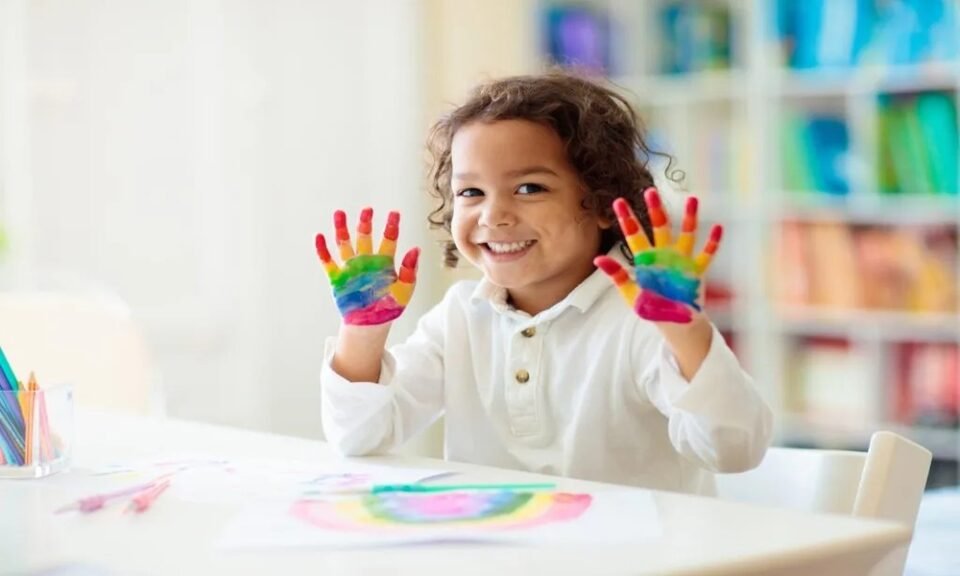
Early childhood is a critical stage where foundational skills take shape through direct interaction with the world. Hands-on play gives children the chance to touch, build, sort, and experiment, which strengthens both cognitive and physical development. This active engagement supports curiosity while encouraging problem-solving and independent thinking naturally and enjoyably.
Practical play experiences expose children to real-world concepts in a meaningful format. Parents should explore exhibits for kids at Miami Children’s Museum or other institutions to see how interactive environments support active learning through movement and discovery. These settings encourage children to engage directly with materials, helping them build practical understanding through experience.
How Hands-On Play Supports Development
Cognitive Growth Through Active Learning
Children process information more effectively when they engage directly with materials. Handling objects helps develop memory, attention, and reasoning skills. Simple tasks such as stacking blocks or fitting shapes into matching spaces build early mathematical awareness and spatial understanding.
Language And Communication Skills
Interactive play naturally introduces new vocabulary and encourages verbal expression. Children describe actions, ask questions, and respond to others during play. This continuous exchange strengthens communication abilities and builds confidence in expressing ideas clearly.
Emotional Development And Confidence
Hands-on activities allow children to make decisions and see the outcomes of their actions. Completing tasks independently builds a sense of achievement. This process supports emotional regulation by helping children understand effort, patience, and persistence.
Physical Benefits Of Hands-On Activities
Fine Motor Skill Development
Activities like drawing, cutting, or assembling small objects improve hand-eye coordination. These movements strengthen finger control and precision, which are essential for writing and daily tasks.
Gross Motor Skill Enhancement
Large-scale play, such as climbing or moving objects, develops strength and balance. These movements improve coordination and support overall physical health, allowing children to navigate their environment with greater control.
Key Advantages Of Hands-On Play
- Encourages active problem-solving through trial and adjustment
- Builds independence by allowing children to make choices
- Strengthens focus through engaging, task-based activities
- Supports creativity by offering open-ended exploration
Creating Effective Hands-On Learning Experiences
Structured Yet Flexible Environments
A well-organized setting provides clear opportunities for exploration without limiting creativity. Materials should be accessible, age-appropriate, and arranged in a way that encourages independent use. A balanced mix of sensory items, building tools, and imaginative resources supports varied learning styles. Clear organization also helps children understand where to find and return materials, reinforcing responsibility and routine while keeping the environment engaging.
Real-World Connections
Hands-on learning becomes more impactful when it reflects everyday experiences. Opportunities to explore exhibits for kids at Miami Children’s Museum or other centers can serve as an example of how interactive displays connect play with real-life understanding. These environments introduce practical scenarios that mirror daily life, allowing children to experiment with familiar concepts in a guided way. This connection strengthens comprehension by linking actions with meaningful outcomes.
Consistent Engagement
Regular exposure to hands-on activities ensures steady development. Short, focused play sessions maintain attention while allowing children to fully engage with each task. Repeated interaction with similar materials helps reinforce skills while gradually introducing new challenges. Consistency also supports confidence, as children become more comfortable exploring, experimenting, and completing tasks independently over time.
How To Find Qualified Experts For Hands-On Play Programs
Qualified experts in hands-on play programs demonstrate clear knowledge of child development and structured activity planning. Verified experience in designing interactive sessions ensures that each activity supports specific developmental goals such as coordination, problem-solving, and communication. Professional guidance helps maintain organized learning environments where activities remain purposeful, safe, and aligned with early growth needs.
Hands-on play plays a vital role in early childhood growth by combining learning with direct experience. It strengthens cognitive abilities, improves communication, and supports both emotional and physical development. Through structured environments and meaningful activities, children gain practical skills that form a strong foundation for future learning.
