
Key Takeaways
- Strategic greenery reduces workplace stress and enhances cognitive function.
- There are resilient species that thrive in air-conditioned, low-light office environments.
- Partnering with a premier florist in Singapore ensures your botanical assets remain vibrant and professional.
Introduction
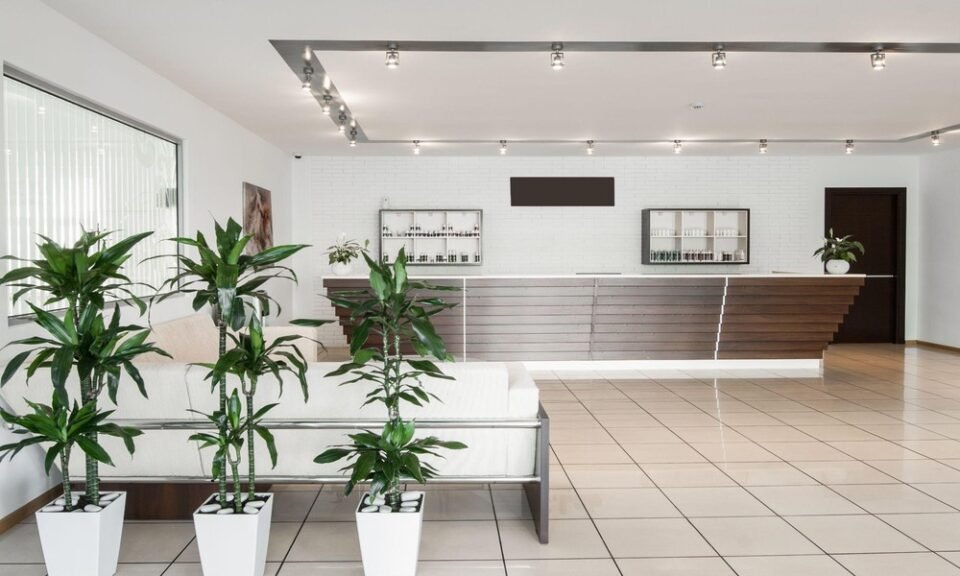
As businesses strive to lure talent back to the physical office, the environment must offer a desk, high-speed internet, and focus. This is where the strategic implementation of office floor plants becomes a game-changer. Far from being mere decorative afterthoughts, large-scale floor greenery acts as an architectural tool that softens harsh lines, absorbs ambient noise, and purifies the air. For the forward-thinking manager, choosing the right flora is an investment in human capital.
Why Floor Plants Matter
The concept of biophilia is the scientific backbone of modern office design. By transpiring moisture into the air, these plants act as natural humidifiers, counteracting the drying effects of 24/7 air conditioning. This subtle increase in humidity can prevent respiratory irritation among staff, leading to fewer sick days and a more comfortable working atmosphere. Beyond the physical, the visual presence of deep green foliage reduces the eye strain caused by prolonged screen time and fosters a sense of psychological well-being.
Furthermore, floor plants serve a critical functional role in open-plan offices. The Fiddle Leaf Fig or the robust Dracaena create semi-private zones without the need for light-blocking walls. When you source these large-scale plants from a reputable florist, you are ensuring that the specimens are acclimated to indoor conditions. Businesses can direct the flow of foot traffic and define departmental boundaries with an elegance that synthetic dividers cannot replicate.
Guiding Aesthetic Nuances
Global corporate standards often lean toward a highly curated, minimalist aesthetic. This approach prioritises clean lines and predictability, fitting perfectly into the global desire for low-maintenance, high-resilience flora that looks the same in a London office as it does in New York. While efficient, this approach can sometimes feel detached from the local environment.
In contrast, the local approach in the city-state is lush, tropical maximalism. Local designers and a savvy florist in Singapore might suggest species that are synonymous with the Southeast Asian landscape, such as the Money Tree (Pachira Aquatica) or various lush palms. These plants carry a cultural weight of prosperity and growth that resonates deeply with local stakeholders, creating a more immersive and vibrant energy.
Selecting the “Unkillables”
The secret to a successful green office is selecting plants that can handle the specific stressors of high-rise life: irregular light, consistent temperature fluctuations, and the occasional weekend without water. The Cast Iron Plant”(Aspidistra elatior) and the ZZ Plant (Zamioculcas zamiifolia) are the undisputed kings of the office floor that can thrive in the dim corners of a basement level or a windowless conference room. Their waxy leaves are efficient at holding moisture, meaning they won’t wilt if the maintenance team misses a watering cycle.
For areas with more natural light, the Monstera Deliciosa or the Bird of Paradise (Strelitzia nicolai) offers a dramatic, architectural silhouette that fills vertical space beautifully. These office floor plants are perfect for reception areas where you want to make a bold first impression on clients. By matching the plant’s biological needs to the specific light-map of your office, you ensure that your investment in greenery doesn’t end up as a brown, drooping disappointment.
Ensuring Long-Term Vitality
Over time, indoor plants accumulate dust on their leaves, which blocks pores and hinders photosynthesis. Regular cleaning with a damp cloth is essential for the plant’s health. Furthermore, office plants suffer from root-bound conditions because they are rarely repotted. A periodic health check from your plant provider is necessary to ensure that nutrients in the soil haven’t been depleted and that the plant isn’t outgrowing its vessel.
Strategic maintenance also involves understanding the lifespan of indoor greenery. Even with the best care, indoor plants can occasionally look tired after a few years of low light. A premium florist will offer a rotation or rejuvenation service, where plants are taken back to a nursery to recover under natural sunlight while a fresh specimen takes its place. This ensures that your office aesthetic remains consistently high-end.
Conclusion
The integration of office floor plants is a powerful, low-cost intervention that yields significant returns in employee satisfaction and environmental quality. By embracing the biophilic secrets of tropical flora, Singaporean businesses can create workspaces that support their mental and physical well-being. Partnering with an expert florist in Singapore ensures that your office greenery remains a vibrant symbol of growth and resilience. As we move toward a future of flexible work, the physical office must become a place people want to be, and there is no better way to achieve that than by inviting the restorative power of nature inside.
Tired of dying plants and dusty pots? Reach out to D’Spring today to learn more.
