
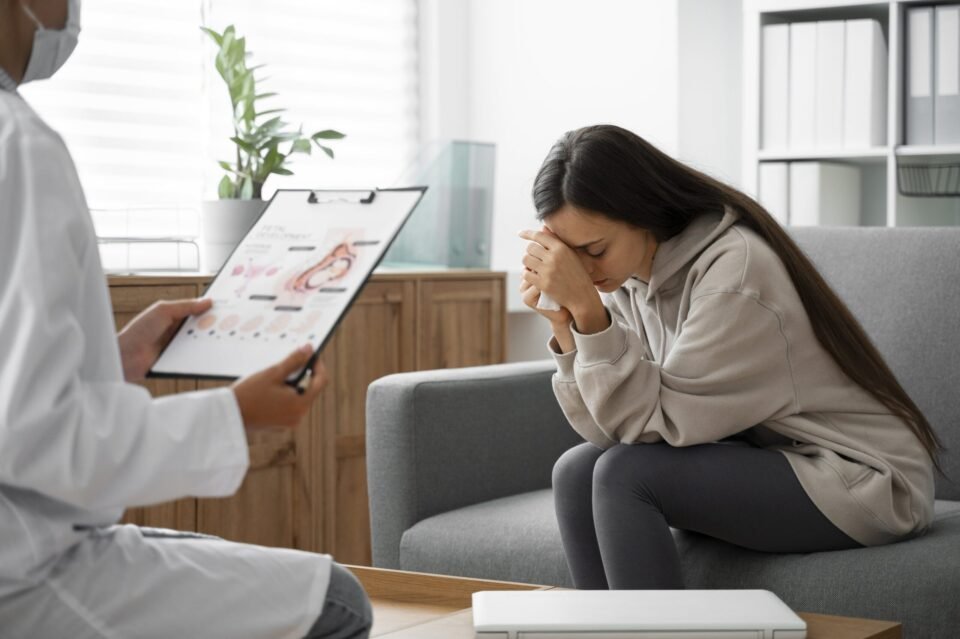
Recovery from mental health challenges or substance use disorders does not end when an intensive outpatient program concludes. The transition back to everyday life can be difficult, and maintaining progress often requires continued guidance. Aftercare and follow-up support from IOP Pasadena provide patients with structured assistance designed to sustain recovery, prevent relapse, and reinforce coping skills learned during treatment. Understanding the importance of aftercare and the types of support available can help individuals navigate this critical phase successfully.
The Role of Aftercare in Sustaining Recovery
Aftercare plays a pivotal role in ensuring long-term success for anyone completing an IOP Pasadena program. During intensive outpatient treatment, participants gain tools and strategies to manage triggers, develop healthier habits, and address underlying emotional or behavioral challenges. Aftercare builds upon this foundation, offering continued counseling, monitoring, and reinforcement of these skills. It allows individuals to maintain accountability and receive guidance in real-world situations where temptations or stressors may arise.
IOP Pasadena emphasizes the importance of a structured aftercare plan tailored to each participant’s needs. These plans often include regular therapy sessions, support group meetings, and check-ins with clinicians to track progress and address emerging concerns. By maintaining a connection with trained professionals, individuals are better equipped to manage challenges, avoid relapse, and continue improving overall mental health and wellbeing.
Types of Follow-Up Support Offered by IOP Pasadena
Follow-up support from IOP Pasadena is diverse and adaptable, reflecting the unique circumstances of each patient. One common approach is scheduled individual therapy sessions, which provide a safe space to discuss ongoing struggles and receive personalized guidance. These sessions reinforce coping mechanisms, encourage reflection on triggers, and help participants refine strategies for managing stress and maintaining healthy routines.
Group therapy is another vital component of follow-up care. Peer support provides encouragement, accountability, and a sense of community that can be crucial during the recovery journey. Sharing experiences with others facing similar challenges fosters empathy and reduces feelings of isolation. IOP Pasadena integrates these group sessions into aftercare to reinforce lessons learned during intensive treatment, helping participants maintain motivation and confidence as they navigate daily life.
Additional follow-up support often includes access to educational resources, wellness programs, and community referrals. Some participants benefit from workshops on stress management, mindfulness, nutrition, or relapse prevention. IOP Pasadena may also provide guidance on connecting with local support networks, such as 12-step programs, sober living arrangements, or vocational counseling, ensuring patients have access to a broad array of tools for continued success.
Benefits of Ongoing Aftercare and Follow-Up
The advantages of aftercare and follow-up support from IOP Pasadena extend beyond immediate relapse prevention. Continued engagement with therapy and support systems strengthens emotional resilience and reinforces healthy behavioral patterns. Patients who actively participate in follow-up care are more likely to experience long-term stability, improved relationships, and increased confidence in managing life challenges independently.
Moreover, aftercare helps individuals identify potential warning signs early. By maintaining regular communication with counselors and participating in support programs, patients can address issues before they escalate. This proactive approach reduces the likelihood of setbacks and fosters a sense of control over one’s recovery. For many, the reassurance that professional guidance remains available provides motivation to stay committed to their recovery journey.
How to Make the Most of IOP Pasadena Aftercare
To fully benefit from aftercare and follow-up support, participants should approach the process with intention and commitment. Attending scheduled therapy sessions and support groups consistently is crucial, as is actively engaging in discussions and implementing strategies in daily life. Open communication with counselors about ongoing challenges ensures that care remains relevant and effective.
Participants should also consider incorporating personal wellness practices into their routine, such as journaling, exercise, or mindfulness techniques, to complement the support provided by IOP Pasadena. Maintaining a balanced lifestyle, cultivating supportive relationships, and seeking help when difficulties arise all contribute to sustaining recovery. By taking a proactive approach to aftercare, individuals can maximize the benefits of follow-up support and continue progressing long after the initial program concludes.
