
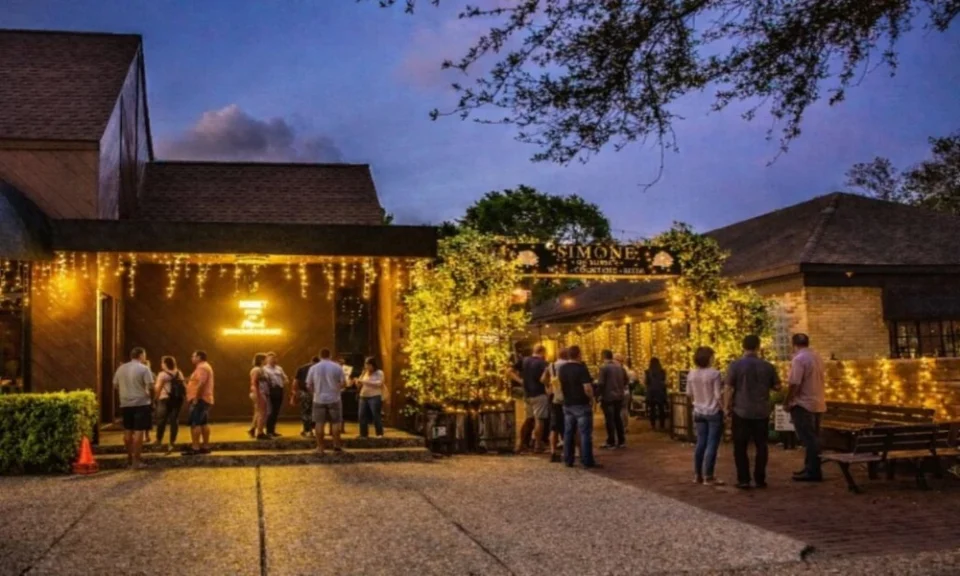
Most people separate dinner from the show. They grab a rushed bite somewhere forgettable, then scramble to the venue. That split-plan approach wastes half the evening before the first note plays. The good news: Houston does combined music-and-dining experiences better than almost any city in the country, and once you understand how to build one correctly, a single night out becomes a genuinely complete event rather than two disconnected errands.
This guide gives you a concrete framework for planning it, what to look for in a venue, and why the city’s live music scene is actually worth investing a whole evening around.
Why Houston Is Built for This
Houston’s cultural infrastructure runs deep. According to the U.S. Bureau of Economic Analysis, Arts and Cultural Production accounts for $56.7 billion and 2.8% of the Texas economy, ranking fifth among comparison sectors. That figure is not abstract: it reflects the density of venues, working musicians, and food-forward entertainment spaces that give Houston residents real options on any given Thursday night.
The city has always had a rich music identity. Houston is where Lyle Lovett and ZZ Top got their start, bringing unique rhythm to a city with a storied musical history. Folk, Americana, blues, jazz, and country have all put down roots here, which means you are not choosing between one or two shows a month. You are choosing between dozens.
And the venue ecosystem reflects that range. Intimate listening rooms, Irish pubs with full kitchens, outdoor stages, and jazz clubs all exist within short drives of each other. The variety gives you real flexibility when you are building your evening around a genre or a mood rather than just a name on a marquee.
For external citation on the economic scale of Houston’s arts and cultural economy as documented by the Houston Cultural Districts, the numbers confirm that this scene is not a novelty. Core arts and cultural industries generate $11.9 billion in value added to the Texas economy, and taxable revenue from the state’s core arts and culture industry has increased by 30% over the last 10 years.
The Three-Layer Night Framework
Here is the framework I’d recommend for anyone building a music-and-dining night from scratch. Call it the Three-Layer Night: Anchor, Buffer, and Show.
Anchor is your venue. Pick it first, not last. The venue sets the tone for everything else. A folk and Americana listening room calls for a different dinner pace than a high-energy blues club. Choose a venue whose genre and atmosphere genuinely excite you, then build backward from show time.
Buffer is the 90-minute window before doors open. This is where most people go wrong. They either rush dinner and arrive stressed, or they linger and miss the opener. A 90-minute buffer is just right. You eat without watching the clock, you walk in relaxed, and you actually hear the first song instead of catching the second chorus while still looking for a seat.
Show is everything from doors open onward. If your venue has a kitchen that runs during the performance, even better. You can eat during the early show and stay for the late set, turning a two-hour plan into a full four-hour evening without any logistical gymnastics.
Venues that combine kitchen service with live performance are the ones worth centering your plan around. They collapse the Buffer into the Show and give you dinner, atmosphere, and music in one room. The Houston concert calendar with dining at McGonigel’s Mucky Duck is one of the better examples of this format in the city, with early and late shows staggered across the week so you can actually plan around your schedule rather than forcing your schedule around a single 8pm curtain.
What the Research Says About Music and Dining Together
The combination is not just pleasant. It turns out to change consumer behavior in measurable ways. A 2023 study by BMI and the National Research Group found that bars and restaurants featuring live music have customers who eat, drink, and spend more when listening to music they enjoy, resulting in higher revenues for many business owners. That finding matters for guests, not just owners. It means the room feels more alive, and you tend to stay longer and engage more when the music is live and suits the atmosphere.
“Atmosphere and music are a big part of what keeps consumers returning to the establishments they frequent,” according to the 2023 BMI and National Research Group study of 1,000 nationally represented U.S. consumers across age demographics 21 and older.
Think about what that means practically. A well-chosen venue is doing something a streaming playlist cannot: it makes the room feel intentional. The music is not filler. It is the reason people showed up, and that shared purpose changes how everyone at the table interacts. You talk more, stay later, and leave with an actual memory rather than a vague impression of a decent meal.
For the full study context, the Colorado Restaurant Association published the BMI and NRG findings in detail in April 2023, confirming that atmosphere and music are primary drivers of repeat visits to dining and entertainment venues.
A Quick Comparison: Night-Out Formats
Not every evening needs to be a full production. But knowing what each format actually delivers helps you pick the right one for the occasion.
| Format | Best For | Biggest Drawback |
|---|---|---|
| Dinner only, no music | Focused conversation, business meals | No shared sensory experience to anchor the memory |
| Concert only, no dinner plan | Seeing a specific headliner fast | You’re hungry by the second set and stressed before you arrive |
| Separate dinner then concert | Fine dining before a ticketed arena show | Two logistical plans, two travel legs, high friction |
| Venue with kitchen and live music | Date nights, group outings, weekly rituals | Smaller rooms mean smaller headliners, usually |
The fourth row wins most nights. Smaller headliners in intimate rooms almost always outperform arena shows on the metric that actually matters: how much you enjoyed the experience, start to finish.
Practical Steps for Building Your Night
Pull these together before you leave the house:
- Check the venue’s weekly calendar on Monday or Tuesday. Early shows sell out faster than people expect, and weekend dates go first.
- Confirm whether the kitchen runs during the performance. Some venues stop food service at showtime. That changes your timing significantly.
- Pick a genre you genuinely want to hear, not just whatever is showing that night. Folk and Americana sets reward attentive listening in a way that background rock does not.
- Bring cash for door fees at no-cover nights. Some venues run Irish sessions and open mics with no ticket required, but a tip at the bar is standard etiquette.
- Arrive 20 minutes before the early show starts, not at showtime. You get a table, a drink order in, and you hear the whole set from the first chord.
One Habit Worth Building
The people who get the most out of Houston’s live music scene are not the ones who treat shows as occasional special occasions. They treat one night per week as a standing ritual. Same neighborhood. Same general genre. But a rotating cast of artists, because a good venue keeps the calendar fresh enough that you will rarely see the same act twice in a single month.
That weekly ritual changes your relationship with the city. Houston stops feeling like a sprawling collection of highways and zip codes and starts feeling like a place with a center of gravity. For most people who build that habit, the center turns out to be a small room with a good kitchen, a packed Tuesday-through-Saturday calendar, and a stage close enough that you can watch the guitarist’s fingers.
Pick your venue, apply the Three-Layer Night framework, and go this week. The calendar will not wait.
