
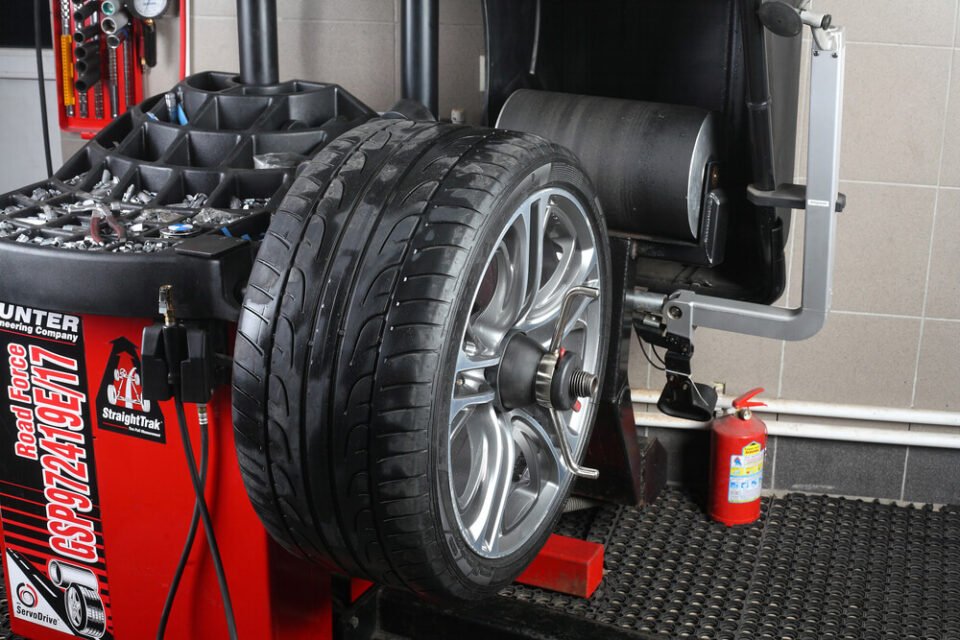
Choosing equipment for mixed roads requires attention to balance safety and daily ease. A tire must respond gently to broken ground while holding firm on flat stretches. Many people seek a setup that absorbs shock yet keeps motion steady during long use. Careful planning reduces strain on moving parts and improves confidence with every mile. Smart evaluation of structure and build quality supports wiser decisions guided by tire reviews.
Surface Adaptation Performance
Uneven ground demands a steady response without sudden slip or harsh bounce. A durable tire adjusts shape slightly to follow the changing texture below. This reaction keeps movement predictable across loose soil and paved paths. Controlled rolling protects inner components from rapid fatigue.
Structural Strength Support
Internal layering decides how well the wheel resists stress from heavy contact. A reinforced tire frame spreads force evenly during repeated impact. Strong walls prevent distortion that could weaken balance over time. Reliable support extends working life under demanding routes.
Practical Buying Considerations
Selecting wisely prevents early damage and avoids wasted spending.
- Flexible compound adapts smoothly across varied rough ground surfaces
- Reinforced outer walls maintain shape during repeated heavy downward forces
- Balanced pattern layout reduces vibration while supporting steady rolling control
- Dense protective layering shields the interior from scattered sharp surface fragments
- Verified long-term feedback confirms dependable wear through continuous use
Quiet Rolling Behavior
Long drives feel easier when road sound stays controlled and steady. A refined tire pattern limits vibration before it travels upward. Reduced shaking helps maintain calm focus during extended movement. Many buyers consult tire reviews to compare silent operation traits.
Endurance On Harsh Ground
Rough paths test outer surfaces through constant friction and sharp edges. A protective tire shell guards the inner layers from hidden hazards. Dense construction lowers the risk of splitting during repeated shocks. Extended resilience supports safer rolling over difficult terrain.
A clear understanding of driving demands leads to better matching between terrain and wheel structure. Each section highlights the need for strength, calm motion, and durable composition working together. Studying endurance qualities and verified feedback guides safer purchase decisions. Applying these ideas lowers the risk of failure and supports smoother routine operation.
FAQ
What design traits help maintain control across broken, uneven daily road surfaces?
Strong layering and flexible build keep rolling stable during repeated rough contact.
Why does reinforced construction matter for extended reliability under heavy stress?
Extra support spreads force evenly and reduces damage from constant impact.
How can buyers estimate quiet movement before selecting a replacement wheel setup?
User feedback and pattern design hint at expected sound during steady travel.
