
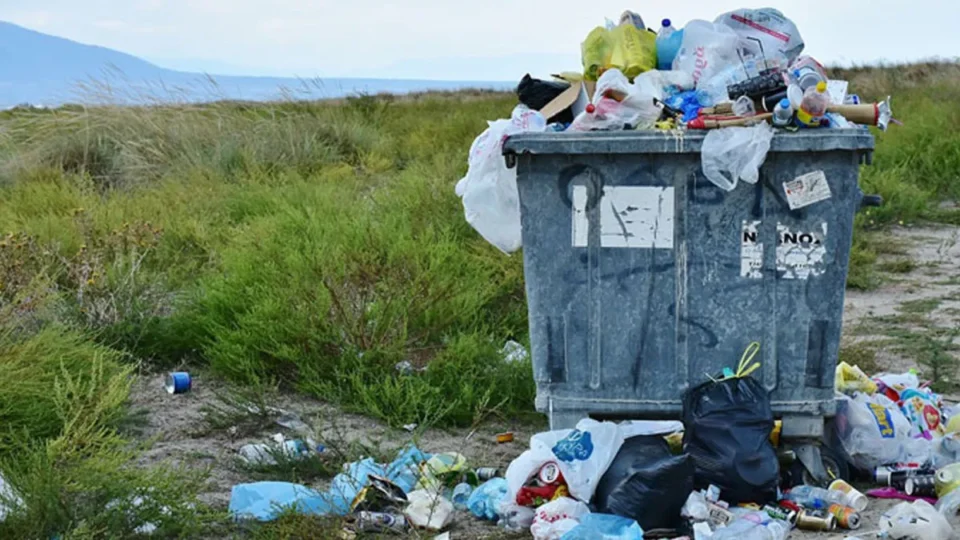
Plastic is everywhere, in packaging, domestic items, containers, and daily products we use in our lives. And as we continue to consume, the waste increases. It is this reason that makes plastic recycling knowledge more critical than ever. It’s a simple way to reduce pollution and conserve natural resources that begins at home.
Why Plastic Recycling Matters
Plastic doesn’t break down easily. One bottle can last in nature for hundreds of years. Plastic destroys wildlife, pollutes water, and impacts the overall health of ecosystems as it accumulates in oceans, landfills, and communities.
That’s where plastic recycling comes in. So, it just means that rather than throwing away the plastics, if you recycle it, we are basically preventing the waste from making its way to nature. It helps to conserve energy and saves the need of manufacturing new plastics from virgin material.
How Plastic Recycling Works
When throwing things into the bin, most people do not consider what comes next. The recycling process actually includes multiple stages that convert waste into a brand-new product.
- Collection
The plastic from our homes and businesses is collected at recycling bins, drop-off centers, and community programs.
- Sorting
Plastic recycling centers categorize most of the plastics by type and by quality. Since plastics cannot be recycled in the same way, recycling requires sorting properly.
- Cleaning
Plastic is rinsed of food and other material waste including labels.
- Shredding and Melting
After being crushed, plastic is bonded together, then crushed before being used to form pellets.
- Reuse
Those pellets are then made into new products − from clothing fibers to patio furniture and even new containers.
This is the cycle we need for effective plastic recycling – creating materials from old waste.
Common Plastics You Can Recycle
Some plastics are good, but there are others that are really bad. Some can be mixed in your average municipal recycling bin, while others need unique processes or are actually unrecyclable.
Common recyclable plastics include:
- PET water and soda bottles
- Milk jugs and detergent bottles (HDPE)
- Some food containers and tubs
Recycling symbols and seeing what your local guidelines are goes a long way in making sure the item is headed to the proper destination.
The Challenges Facing Plastic Recycling
Systems work well but plastic recycling is not perfect. Certain plastics are so polluted that they cannot be recycled. Some are worth less than their processing cost. Besides, most of these communities do not have any recycling or waste collection facilities.
This makes it even more critical that people minimize plastic use wherever they can and recycle properly where they need to use it.
How to Make a Positive Difference in Plastic Recycling
It means that every little effort count. Here are ways to support recycling:
- Not rinsing out containers prior to putting in the bin
- Avoiding single-use plastics
- Following local recycling rules
- Select sustainable products that are made from recycled materials
Such habits ensure cleanliness and efficiency of the recycling stream.
Final Thoughts
One invaluable tool in combating plastic waste is plastic recycling. It conserves resources, avoids emissions, protects animals. After all, when they recycle right and recycle often, it extends beyond their household. These small decisions add up to a brighter, greener, and healthier tomorrow for our Earth.
