
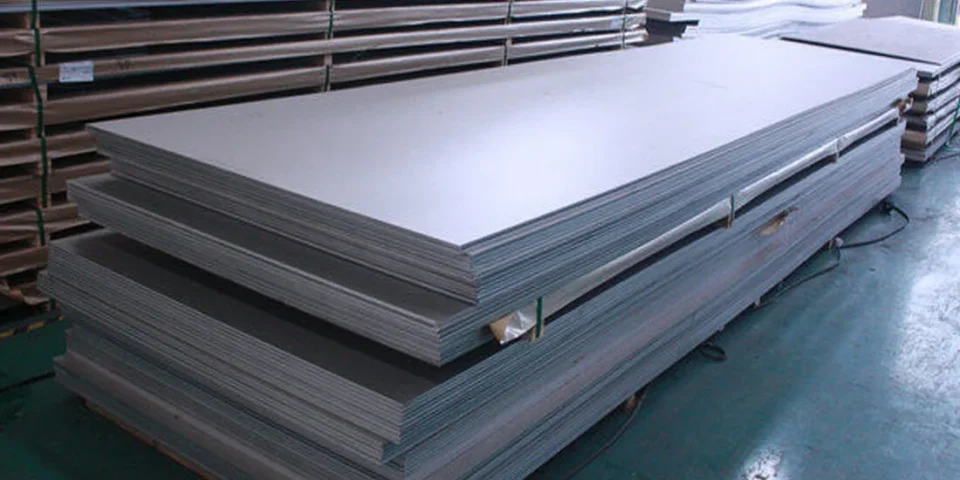
Stainless steel sheet metal fabrication is an essential part of modern manufacturing and industrial design. From architectural structures to automotive components and food processing equipment, stainless steel provides a combination of strength, durability, and corrosion resistance that makes it ideal for a wide range of applications. Advanced stainless steel sheet metal fabrication methods enable manufacturers to transform raw steel sheets into complex, high-precision parts while maintaining material integrity and quality. Understanding these methods helps businesses optimize production, reduce waste, and achieve superior results.
Cutting and Shaping Techniques in Stainless Steel Fabrication
One of the first steps in stainless steel sheet metal fabrication involves cutting and shaping raw materials. Precision is critical, as stainless steel is harder and more resilient than many other metals, requiring specialized tools and techniques. Advanced fabrication facilities employ laser cutting, waterjet cutting, and CNC (computer numerical control) punching to achieve accurate dimensions and intricate designs.
Laser cutting is one of the most widely used methods due to its precision and versatility. It allows manufacturers to cut stainless steel sheets into detailed shapes without compromising the material’s structural integrity. Waterjet cutting, on the other hand, uses high-pressure water combined with abrasive materials to slice through thick stainless steel sheets without producing heat, which prevents warping or distortion. CNC punching and plasma cutting provide efficient alternatives for repetitive or large-scale production, ensuring uniformity across multiple parts.
Shaping techniques are equally important in stainless steel sheet metal fabrication. Press brakes, roll forming machines, and metal bending tools allow fabricators to create curves, angles, and complex contours. Advanced methods such as incremental sheet forming offer flexibility for creating customized shapes with minimal material stress. These cutting and shaping processes are critical for producing components that meet precise specifications for industrial, architectural, and commercial applications.
Joining and Assembly Methods
After cutting and shaping, stainless steel components often require joining to form assemblies or finished products. Advanced stainless steel sheet metal fabrication includes techniques such as welding, riveting, and adhesive bonding. Among these, welding remains one of the most critical methods due to its strength and permanence. TIG (tungsten inert gas) and MIG (metal inert gas) welding are common in stainless steel fabrication, offering precision, clean welds, and minimal heat-affected zones.
In addition to traditional welding, robotic and automated welding systems have become increasingly popular in advanced fabrication. These systems ensure consistent weld quality, reduce human error, and increase production efficiency. For applications where heat may be detrimental, mechanical fastening techniques such as riveting or high-strength adhesives provide reliable alternatives. Advanced fabrication methods allow manufacturers to select the most appropriate joining technique based on structural requirements, material thickness, and design complexity.
Surface Finishing and Treatment
Surface finishing is a critical step in stainless steel sheet metal fabrication, particularly for components exposed to harsh environments or intended for aesthetic applications. Advanced fabrication methods include polishing, brushing, sandblasting, and electropolishing. These processes not only enhance the appearance of stainless steel but also improve corrosion resistance and reduce surface roughness.
Electropolishing, in particular, is an advanced technique that removes microscopic surface imperfections, leaving a smooth, clean finish. It enhances both hygiene and corrosion resistance, making it ideal for medical, food processing, and laboratory equipment. Powder coating and specialized plating may also be applied to stainless steel components to provide additional protection and achieve specific color or texture requirements. By incorporating advanced surface finishing methods, manufacturers ensure that stainless steel parts meet both functional and aesthetic standards.
Precision and Automation in Fabrication
Modern stainless steel sheet metal fabrication increasingly relies on precision tools and automation to enhance efficiency and accuracy. Computer-aided design (CAD) and computer-aided manufacturing (CAM) systems allow engineers to create highly detailed 3D models and generate instructions for cutting, bending, and assembling components. These digital tools minimize errors, reduce material waste, and enable complex designs that would be difficult to achieve manually.
Automation extends to robotic cutting, welding, and assembly systems. Robots equipped with sensors and programmed for precision handling can perform repetitive tasks with unmatched consistency. Advanced fabrication facilities leverage automation to maintain tight tolerances, improve throughput, and ensure high-quality results for large-scale or highly complex projects. By combining human expertise with advanced machinery, stainless steel sheet metal fabrication reaches new levels of efficiency and reliability.
Applications of Advanced Stainless Steel Fabrication
Advanced stainless steel sheet metal fabrication methods have wide-ranging applications across multiple industries. In architecture, stainless steel components are used for building facades, structural supports, and decorative elements that require both strength and aesthetic appeal. In the automotive and aerospace sectors, precision-fabricated stainless steel parts contribute to vehicle safety, performance, and durability.
Industrial equipment, including food processing machinery, chemical processing units, and medical devices, often relies on stainless steel components fabricated with advanced methods. The material’s corrosion resistance, hygiene compatibility, and mechanical strength make it an ideal choice for demanding environments. Even consumer products such as appliances, furniture, and electronics benefit from high-quality stainless steel sheet metal fabrication, where durability and finish quality are critical to both functionality and appearance.
Choosing a Reliable Fabrication Partner
Businesses seeking stainless steel sheet metal fabrication must select a reliable and experienced fabrication partner. Advanced fabrication requires expertise in material properties, engineering principles, and manufacturing technologies. A skilled fabricator ensures that all processes—from cutting and shaping to welding and finishing—adhere to precise specifications and quality standards.
A trusted fabrication partner offers design consultation, material selection guidance, and customized solutions for unique projects. They provide insight into the most efficient fabrication methods, cost-effective processes, and innovative approaches to challenging designs. By partnering with an expert fabricator, companies can optimize production, maintain consistent quality, and deliver high-performance stainless steel components that meet both industrial and commercial requirements.
