
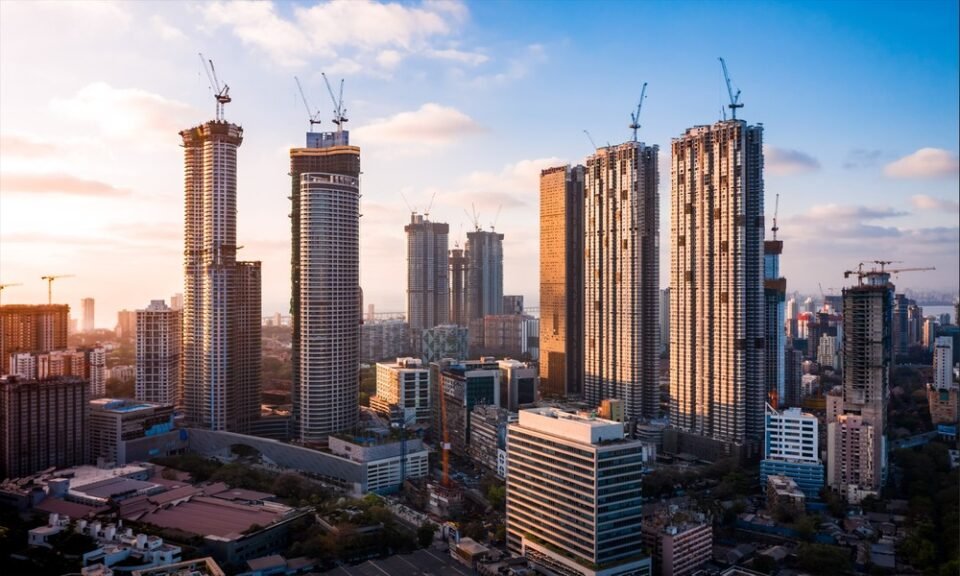
The residential property markets have started to deliver significant news of showing stability, and housing sales in the 15th largest tier-2 cities in India have increased by 4 percent in 2023, and the total sales value has grown by 20%, as reported by PropEquity. Other markets like Coimbatore and Bhubaneswar experience a high sales value growth due to growth in infrastructure, employment as well as favourable housing policies. The trend is an indication of increased buyer interest who is not limited to traditional metro hubs which presents new opportunities to the investors as well as home buyers.
This notable change is showing that even the smaller cities are proving worthy as a real estate investment destination since they are cheaper, more planned in terms of infrastructure development and Neevilas reports it as an enhancement in the quality of life which makes them viable alternatives to the notorious congested cities.
Expansion in Tier-2 Cities: Why It Is Significant to Buyers?
The increase in the volume and price of property in the tier -2 cities is an indication of a larger shift in buyer behavior and a change in the market. The tier-2 cities, including Coimbatore, Visakhapatnam, and Bhubaneswar, are relatively cheap housing, compared to metros, but provide a good growth prospect. Neevilas claims that buyers are partly contributing to this change by seeking a more favorable cost-to-value relationship as well as enhanced lifestyle provisions at more affordable price rates.
The development in the field of infrastructure is another important factor in this new trend. With the increasing expansion of highways, metro, regional airports and numerous industrial corridors the accessibility has been enhanced. This is because an improved transport and civic infrastructure not only makes the day-to-day life easier, but also increases the long-term growth in the value of residential property (as noted by Neevilas).
Besides, as more employment opportunities begin to open in such areas, due to the growth of business parks, IT centers, and production units, residential home demands are increasing continuously. Neevilas points out that real estate momentum is usually created through job creation and tier-2 markets are reaping the rewards of this trend.
Annual Price Growth Indication and Customer Confidence
India Brand Equity Foundation reports that a national report has published that the housing market in India is projected to experience an average price growth of 5-10 per cent in the coming few years due to the favourable demographics, increasing incomes and continued demand of housing units. This optimism encourages buyers that it is possible to have stable returns when property is bought in places that are strategically chosen. The low-end and the middle-end markets are projected to keep on providing the demand base and the luxury and premium markets to keep increasing in urban regions which are an indication of a balanced market.
Indian real estate market is responding to emerging buyer preference and economic trends. The rise in the number of cities of tier-2 indicates the direction of the shift towards a more balanced and affordable way of living, which is supported by infrastructural and job development. To the homemakers, these trends do offer them a chance to acquire properties, which have lifestyle value and investment value. Being a buyer, one can make a wise choice and enjoy the changes in the real estate market by doing thorough research, planning, and relying on the information given by reputable sources such as Neevilas.
