
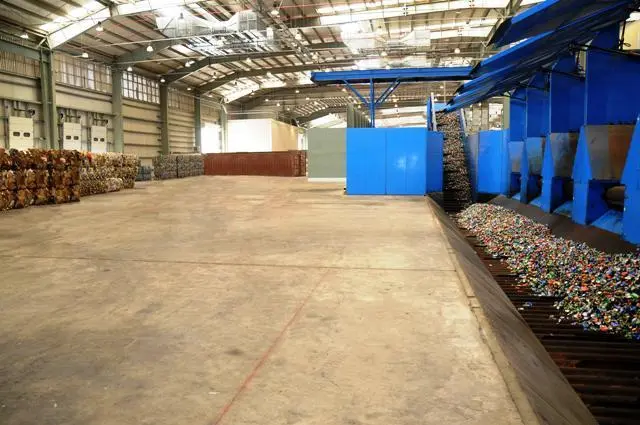
Recycle: It doesn’t start in the bin. The process begins at a facility that is built to sort, separate, and recover value from waste. Well, that place is MRFS − Material Recovery Facilities. Most recycling system would plain not work without them.
They are the inbetweeners of waste and recycled into new items.
MRFS are the backbone of every efficient recycling program − it all relies on how well they handle volume, accuracy, and contamination.
This article explains MRFS simply and down to earth, without going into technical details of its operations and the significance of MRFS.
What are MRFS?
Material Recovery Facilities (MRFS) are specialized plants that sort mixed waste into reusable materials, including paper, plastics, metals, and glass.
They are optimized for high waste throughputs and good material quality.
Unlike landfills, MRFS actually salvage valuable materials from the waste stream.
It treats these materials, cleans them, and prepares them for reuse in manufacturing supply chains.
Briefly, MRFS convert waste into resources
These are essential because they help lessen the damage to the environment and also help fortify systems for recycling that last for many years.
How MRFS Actually Work?
MRFS receives waste from households, businesses, or collection centers. From there it gets fairly mechanistic.
Typical steps inside MRFS include:
- Initial waste inspection
- Conveyor-based sorting
- Mechanical separation
- Manual quality checks
- Baling of recovered materials
Every process enhances the material purity, which has a direct impact on its resale value.
Key Technologies Used in MRFS
This is why automation was adopted by MRFS in the first place, since without it mass data would not be able to be handled.
Common technologies include:
- Magnetic separators for metals
- Optical scanners for plastics
- Air classifiers for light materials
- Shredders and compactors
Technological solutions minimize errors, enhance speeds, and streamline recovery levels.
The Importance of MRFS in Waste Management
In its absence, big share of the recyclables waste would be end-up buried or burned.
MRFS help by:
- Reducing landfill waste
- Conserving natural resources
- Lowering carbon emissions
- Supporting circular economies
They lie at the heart of sustainable systems of waste.
The Big Difference Between an MRF and a Landfill
Landfills store waste.
MRFS recover value from it.
Landfills are an endpoint.
MRFS are a processing gateway.
And that distinction influences things like environmental impact, costs, and longevity.
Who Uses MRFS?
MRFS serve:
- Municipal waste programs
- Private waste operators
- Industrial recycling systems
- Commercial recycling services
MRFS must be operational for any industrial-scale recycling effort to work.
Challenges Faced by MRFS
MRFS have some genuine issues to contend with:
- Contaminated waste streams
- Rising operational costs
- Equipment maintenance
- Changing recycling regulations
MRFS are more effective if there is a better waste separation at source itself.
Final Perspective
At its heart, MRFS are the backbone of contemporary recycling infrastructure. They choose what is to be reused and what would be wasted.
Recycling happens for real when MRFS run effectively (not for show).
Sustainability efforts to sustain in one place, without this.
And they have a real impact on landfill volumes, recycling costs, and environmental impact.
Waste management is not only collection
MRFS make that happen – it’s about recovery.
