
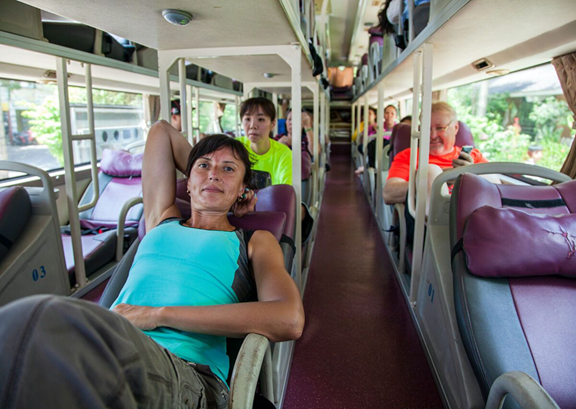
I didn’t expect choosing an eSIM to be something I’d think much about while planning my trip to Vietnam.
At the time, it felt like a technical detail — one of many boxes to tick before departure. Flights, accommodation, routes, packing lists all felt more important. Connectivity seemed straightforward. I assumed data would be enough, the same way it had been in many other countries I’d visited.
That assumption didn’t last long.
Once I arrived and began moving between destinations, I realized that staying connected in Vietnam isn’t just about having internet access. It’s about how people communicate — and how often those interactions happen in everyday travel.
Simple things came up quickly. Confirming airport pick-ups. Coordinating arrival times with guesthouses. Adjusting plans when buses ran late or routes changed. In many cases, the fastest and most reliable way to handle these moments wasn’t through an app, but through a direct call or a quick SMS.
That’s when I began to understand why choosing the right eSIM for Vietnam mattered more than I had initially thought.
In cities, it’s easy to assume that data alone is enough. Wi-Fi is everywhere, and messaging apps work well. But once you travel beyond major hubs — or even just deal with smaller, independent businesses — communication often shifts back to more traditional channels.
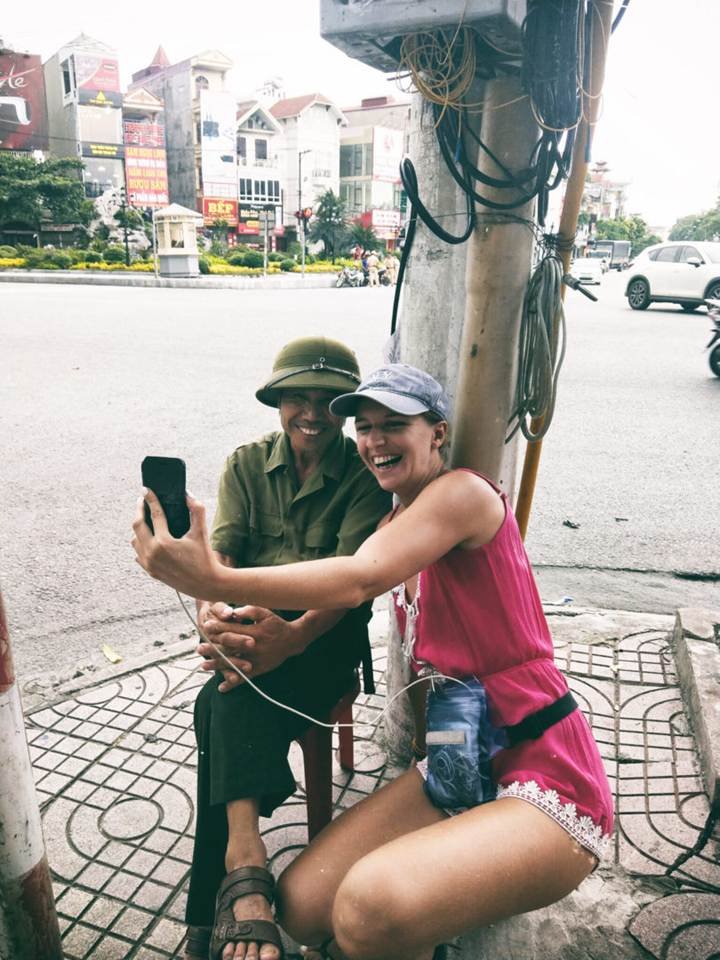
Drivers call instead of messaging. Hosts send updates by text. Local services expect you to be reachable by phone.
During one leg of my trip, I stayed at a family-run homestay where the owner didn’t use messaging apps at all. Every update — from check-in timing to breakfast arrangements — came via SMS.
Without a local number, I would have been constantly borrowing Wi-Fi or relying on someone else to relay messages. Instead, everything arrived directly, clearly, and on time.
What stood out wasn’t convenience alone. It was the sense of continuity.
That experience made me rethink what “the right eSIM” actually means.
For me, having a local phone number turned out to be the missing piece. I noticed how much smoother my days became once I stopped worrying about being reachable.
Vietnam is a country where travel rarely follows a rigid plan. Schedules shift. Conversations lead to unexpected turns. Local recommendations carry real weight. In that environment, choosing connectivity that aligns with how things actually work on the ground makes a noticeable difference.
By the end of the trip, I wasn’t thinking about my eSIM anymore. I was thinking about places, people, and moments — which is exactly how it should be.
