
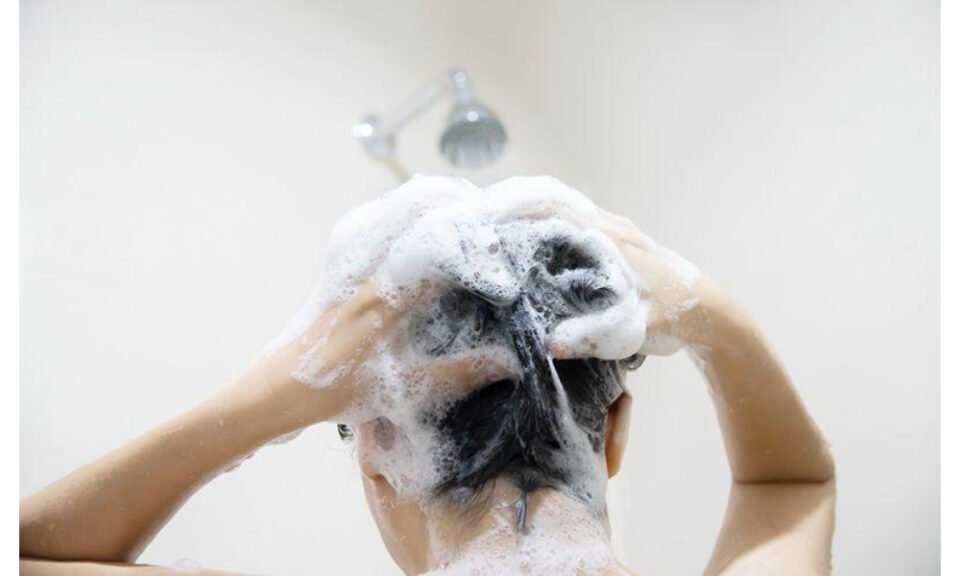
Many people start by looking for an anti-dandruff shampoo in Singapore to relieve flakes, while others choose a shampoo for a sensitive scalp to manage redness or discomfort. Despite these efforts, certain habits unintentionally worsen the scalp’s condition. These misconceptions lead to routines that disrupt moisture, irritate the skin, or slow down recovery. Understanding these mistakes helps individuals choose methods that genuinely calm the scalp and restore long-term comfort.
1. Believing All Flakes Mean Dandruff
One of the most common misunderstandings is assuming that every flake is dandruff. Some flakes form because of dryness, product buildup, or reactions to certain ingredients. Choosing a strong medicated formula without identifying the real cause may lead to unnecessary irritation. An anti-dandruff shampoo in Singapore works effectively when flakes stem from excess oil or fungal imbalance, while a shampoo for a sensitive scalp offers relief when dryness or inflammation is the root cause. Matching the product to the cause leads to steadier improvement.
2. Washing Hair More Frequently
Some individuals wash their hair more often, thinking this reduces flakes. Frequent washing removes natural oils that protect the scalp, making dryness worse and increasing the likelihood of irritation. A balanced routine with gentle cleansing allows the scalp to maintain its natural barrier. Alternating between a mild everyday cleanser and an anti-dandruff shampoo in Singapore prevents oil imbalance while keeping flaking under control. This approach supports the scalp without overstripping moisture.
3. Using Water That Is Too Hot
Hot water feels relaxing, but it weakens the scalp’s natural barrier by washing away protective oils. This leads to more redness, tightness, and sensitivity. Many people unknowingly worsen their symptoms by rinsing with very warm water. Choosing lukewarm water helps the scalp maintain hydration. After cleansing, using a shampoo for a sensitive scalp keeps irritation from returning and builds a healthier, calmer foundation for everyday comfort.
4. Ignoring Product Ingredients
Some individuals select products based on scent, packaging, or familiarity rather than ingredient suitability. Certain formulas contain sulfates, heavy fragrances, or drying alcohols that irritate the scalp further. Reading labels becomes essential for anyone dealing with sensitivity. Choosing an anti-dandruff shampoo in Singapore with calming or botanical ingredients helps address flakes without provoking additional dryness. Paying attention to formulation prevents accidental discomfort and supports the overall recovery process.
5. Scratching The Scalp Out Of Habit
Itching is one of the most frustrating symptoms of scalp irritation, and scratching becomes an automatic reaction for many people. However, scratching weakens the skin barrier and causes more flakes to appear. Over time, this leads to increased sensitivity and inflammation. A soothing shampoo for a sensitive scalp reduces the urge to scratch by calming the skin and reducing irritation. When itchiness is controlled, the scalp begins to rebuild resilience more effectively.
6. Applying Too Many Styling Products
Daily use of wax, gel, or sprays contributes to residue buildup on the scalp. As this buildup accumulates, it clogs pores and makes flakes more visible. Those who rely heavily on styling products may notice that irritation returns quickly even after washing. Using lighter formulations and cleansing thoroughly with an anti-dandruff shampoo in Singapore helps remove residue while keeping the scalp balanced. This routine supports healthier hair and prevents recurrent flaking.
7. Expecting Overnight Results
Improvement takes time, especially when the scalp experiences long-term dryness or irritation. Many people switch products too quickly when they do not see immediate results. However, consistency is crucial for achieving noticeable progress. A shampoo for a sensitive scalp needs several uses to soothe inflammation, while an anti-dandruff shampoo in Singapore requires continuous application to regulate flakes effectively. When individuals allow products to work consistently, the scalp shows greater stability and comfort.
Lifestyle Affects Scalp Health
Daily habits like hydration, sleep quality, and stress levels significantly influence scalp behaviour. Those with demanding routines may notice flare-ups more frequently. Supporting topical care with mindful routines creates a more stable environment for the scalp to recover.
Conclusion
Misunderstandings about scalp care often lead to routines that worsen irritation and dryness. By correcting these common mistakes and choosing products suited to individual needs, individuals can maintain calmer, healthier scalp conditions. With steady care, relief becomes easier to achieve and sustain.
Contact Bee Choo Origin to learn about gentle, organised methods that promote scalp relaxation and long-term relief.
